
Custom 3D Modeling for 3D Printing
Printing is how you check the model, not what you are buying.
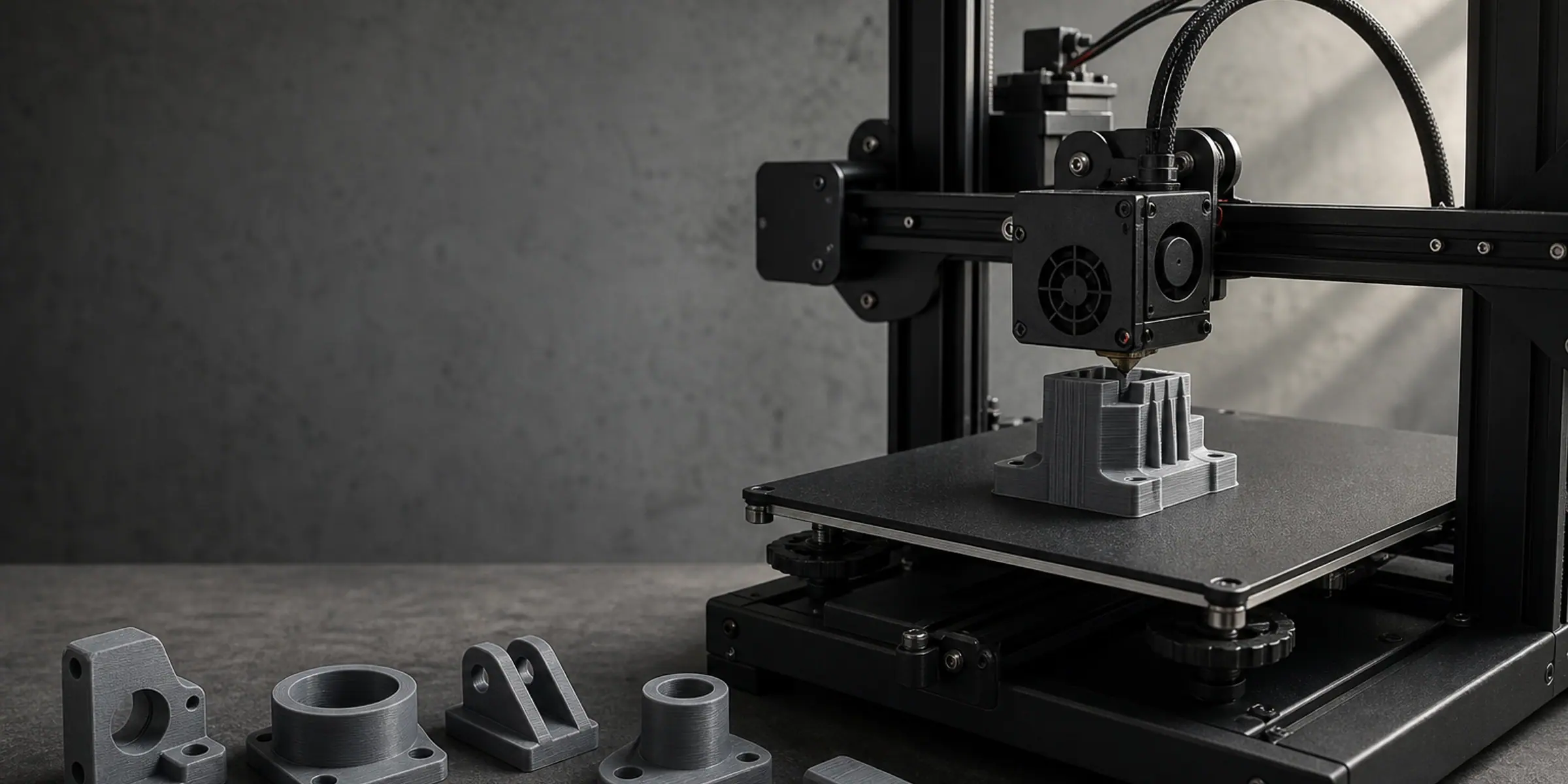
Printing exists here for one reason: a screen cannot tell you whether a part fits. Once a model is approved we can print it so you can hold it, assemble it and find out what a rendering never shows — an interference you cannot feel on a monitor, a wall that flexes, a screw that bottoms out. Three different jobs use that capability: prototype printing to answer a question quickly, functional parts where the print itself has to work in service, and small batch production for repeat copies without tooling. All of it is optional and quoted separately, because the model is the deliverable.
Three jobs, three different standards
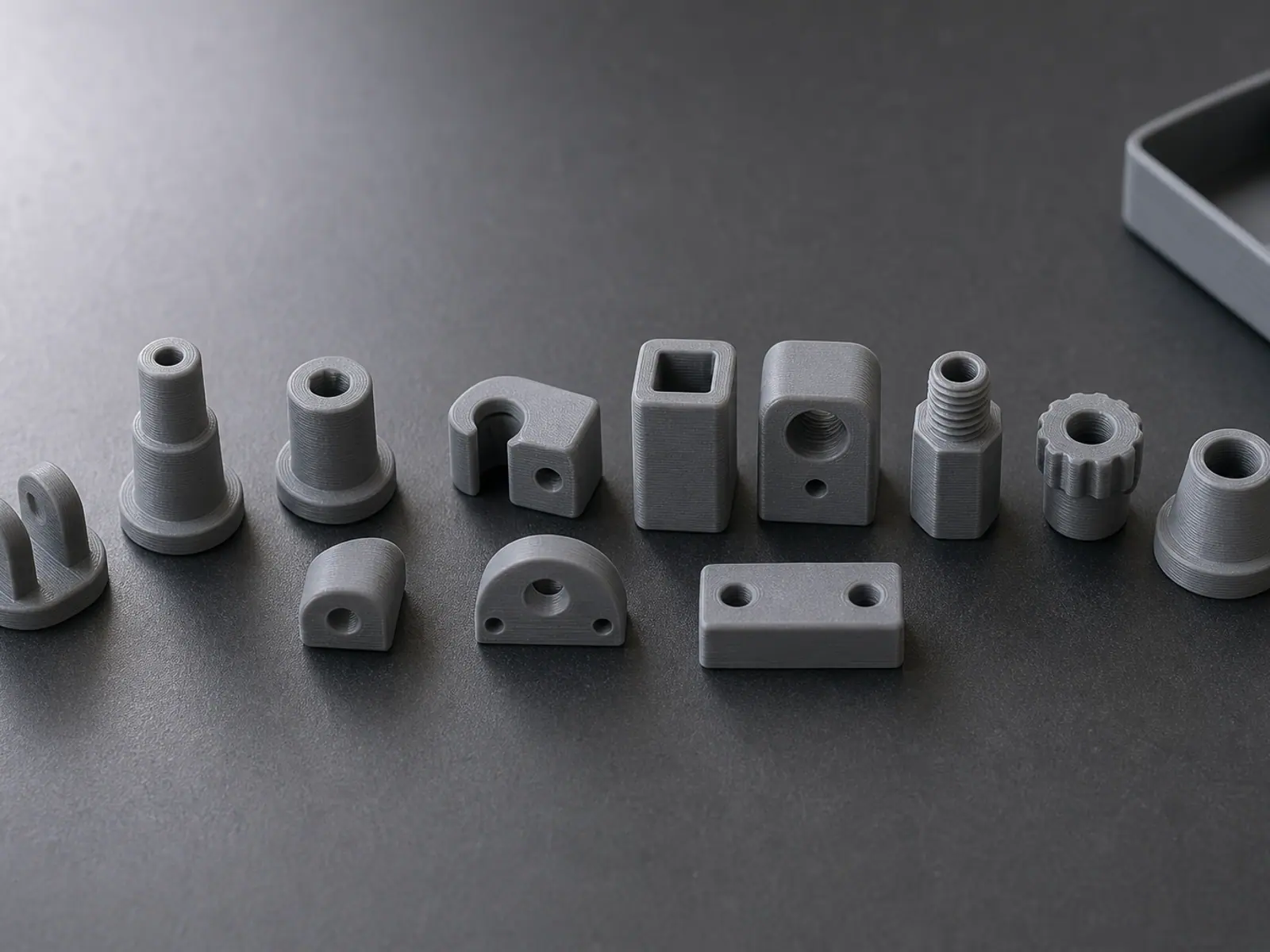
"Can you print this?" covers three very different requests, and mixing them up is how people end up disappointed with a print. A prototype is a question, so speed and cheapness matter more than surface finish. A functional part is a component, so orientation, wall count and material decide whether it survives. A small batch is a repeatable product, so the settings have to be recorded well enough that copy ten matches copy one.
What each kind of print is actually for
| Job | What it is for | What matters most |
|---|---|---|
| Prototype printing | Checking form, ergonomics, assembly order and basic fit before anything is committed | Turnaround and low cost per iteration; visible layer marks are acceptable |
| Functional parts | End-use components that carry load, hold alignment, seal, or are handled every day | Print orientation against the load, wall count, material choice, tolerance on the interfaces |
| Small batch production | A run of identical parts for a fixture, a repair kit or a first product version | Repeatability between copies, and settings recorded so a later run matches |
Prototype printing: the print is a question, not a product
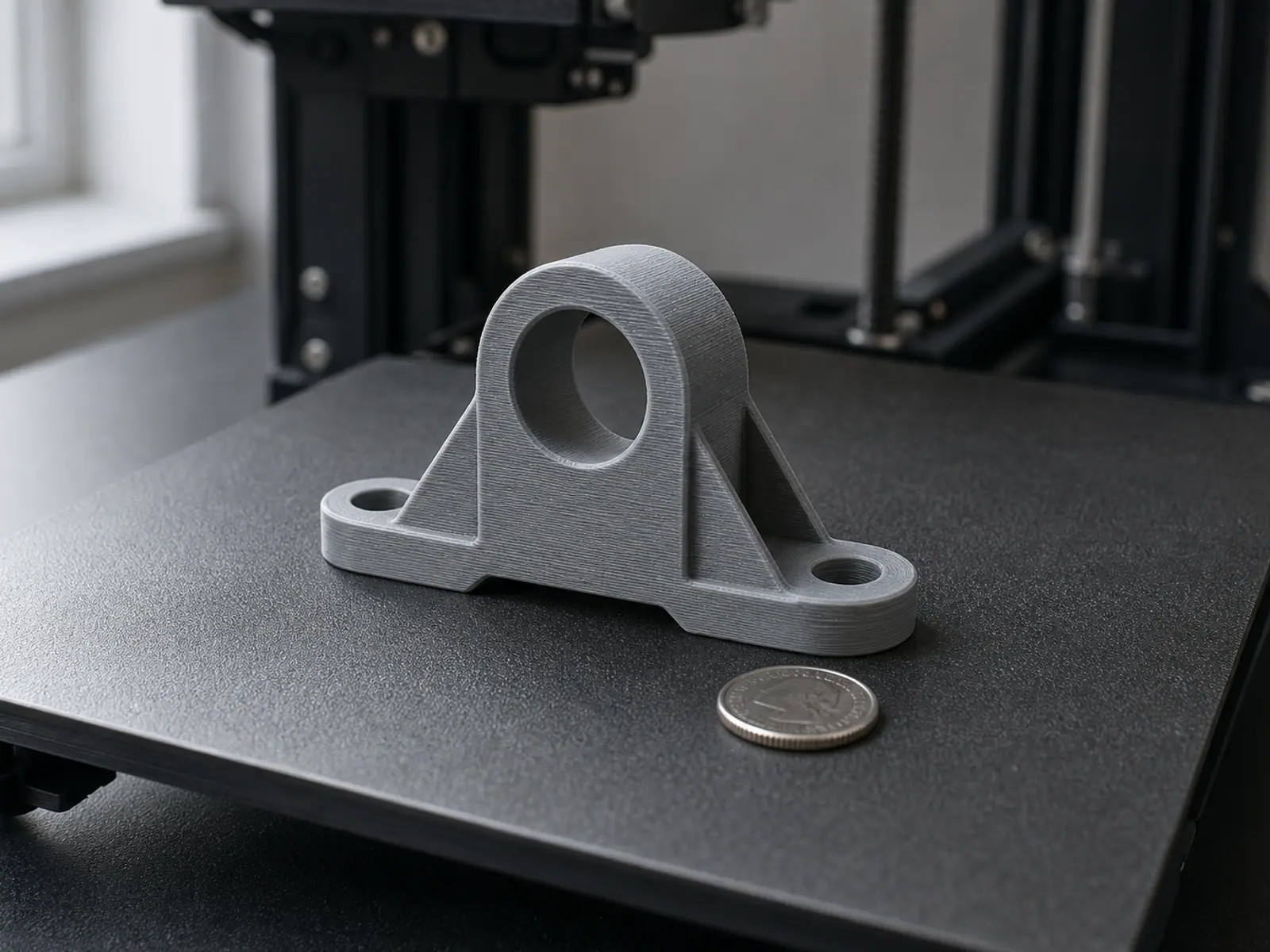
A prototype print is doing its job when it tells you something you could not learn from the file, and then gets thrown away or revised. Because of that we print prototypes for speed: enough thickness to survive handling, enough infill to hold a screw once, and orientation chosen so the part comes off the plate without support scars on a critical face. If the model is wrong, the answer is a new print, not an afternoon sanding the old one into compliance.
- You approve the model, so nothing is printed from a file that is still being changed.
- Print settings are chosen for the question being asked: fit, handling, or appearance.
- The parts are printed, cleaned up to remove supports, and checked against the drawing dimensions that matter.
- You test-fit, and the result is either a small revision and a reprint, or approval of the model.
Functional parts: the print has to work, not just fit
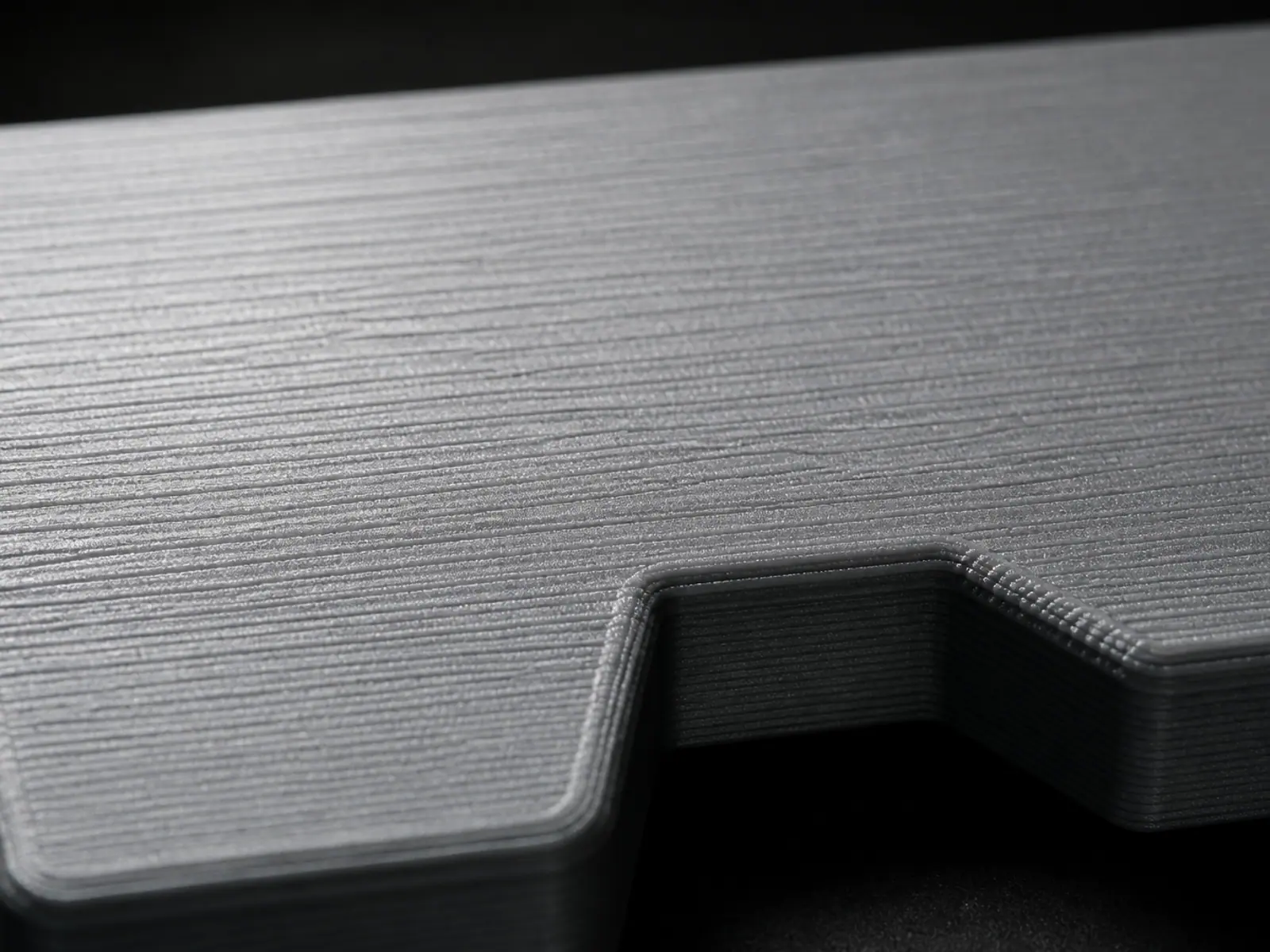
When the printed part is the part, the print becomes an engineering decision. A printed component is laminated, so its strength depends on direction: the bond between layers is weaker than the material inside a layer, and a part loaded across the layers will split where a moulded one would not. Orientation is therefore chosen from the load path first and from surface finish second, and we tell you which faces will be marked by supports before you approve the setup.
The other half of functional printing is the interface. Printed holes come out slightly undersized, printed shafts slightly oversized, and a clearance that looked generous on screen can seize once the layers meet. Where a fastener will be used more than once, the model gets a designed seat for an insert rather than a printed thread, because printed threads in plastic strip quickly. Where a part sits under continuous load, geometry is used to put the material in compression and to spread the load instead of relying on wall thickness alone.
- Load-carrying faces are oriented so the layers run along the load, not across it.
- Wall count is chosen from the job the part does, not from a generic preset.
- Material is chosen for the environment: heat, sunlight, chemicals and impact each rule different options out.
- Tolerances on mating features are set from the measured behaviour of the process, not from ideal CAD numbers.
- Where a printed part genuinely cannot carry the load, we say so and recommend another process rather than print something that will fail.
A print that is cheap and a part that works are not the same purchase. If the part has to survive service, the printing decisions cost more time — and we will tell you why before you commit to them.
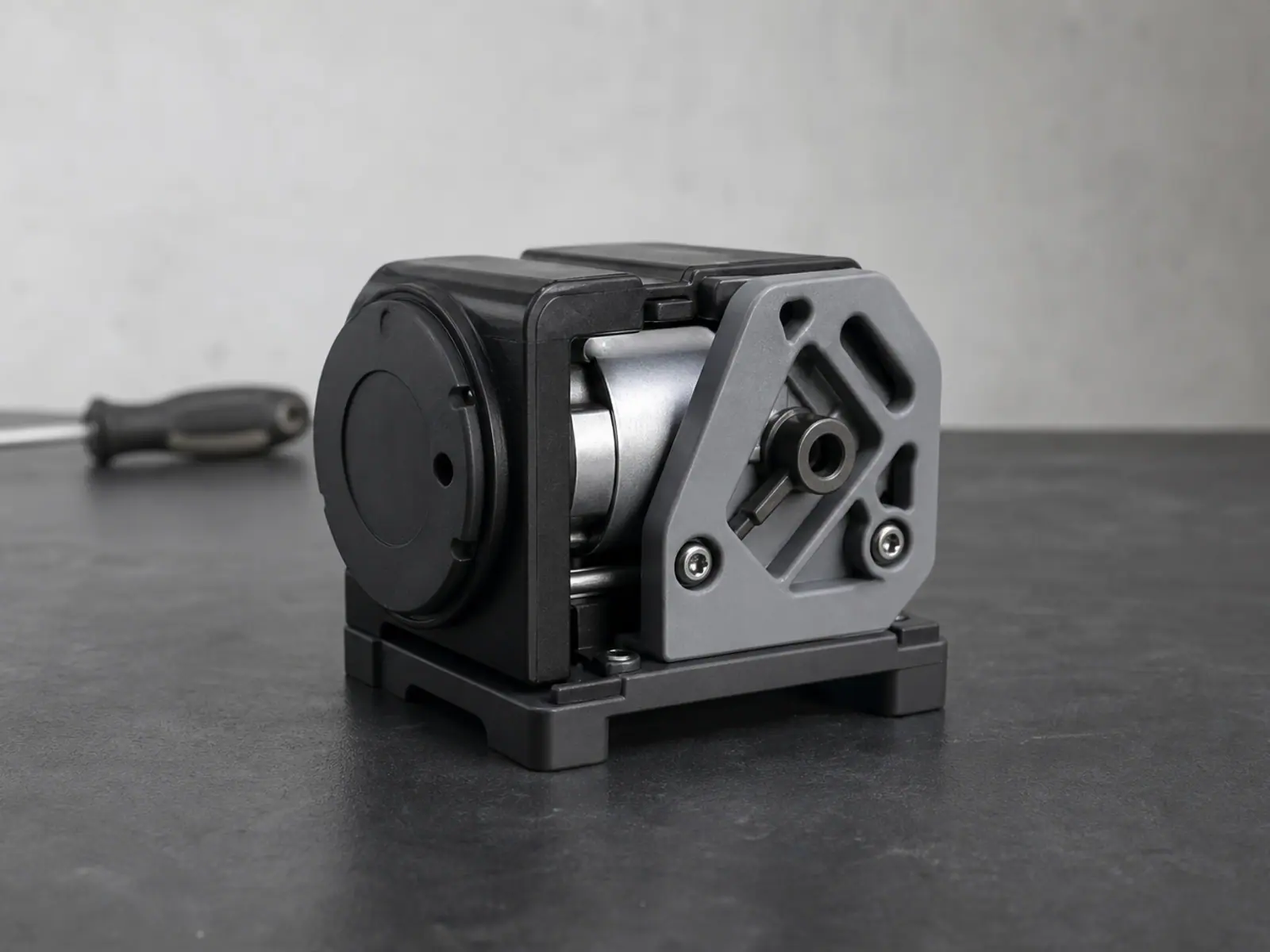
Small batch production without tooling
Small batches are the reason a printed part is worth modelling properly. There is no mould to cut, no minimum quantity to justify, and no penalty for making twelve of something instead of twelve hundred. The condition is repeatability: a batch is only useful if every copy is the same part, which means orientation, settings and material are fixed and recorded against the file rather than chosen afresh each time. That record is what allows a replacement copy to be produced later and still fit the same assembly.
- A first article is printed and checked before the rest of the batch is run.
- The exact setup — orientation, layer height, wall count, material — is recorded against the model.
- The batch is printed in one or more runs, with parts checked for the features that matter.
- Copies are cleaned, and any that failed the check are reprinted rather than shipped.
- The file and setup are kept so a later run of the same part can be quoted and produced.
How printing is quoted, and what we do not do
Printing is a separate line on the quote, after the modelling. It is priced from the job: part size and volume, orientation and support cost, material, how many copies, and what post-processing is needed to bring the part to an acceptable finish. You are not obliged to print with us — you can take the STL or 3MF and print locally, and nothing in the model is withheld to prevent that.
What we do not do is behave like a print farm. There is no per-gram price list and no queue of anonymous jobs, because a printed part that fits is the result of decisions made while the model was being built. If all you need is a file you already own turned into plastic, tell us — we will say whether it is a sensible job for us instead of accepting an order we cannot add anything to. Modelling projects start at $100; prototype printing and small batch production are quoted separately once the model is approved.
Confidential project handling applies to printing as well: parts, files and customer details are not published or shown to anyone without written permission.
Related services
Frequently asked questions
Frequently asked questions
Can you print a part without modelling it first?
Which materials do you print?
Will a printed part be as strong as the original?
Do you handle small batches, and is there a minimum order?
How is a print quoted?
Can you make the same part again later?
Printing is how you check the model, not what you are buying.
Printing exists here for one reason: a screen cannot tell you whether a part fits. Once a model is approved we can print it so you can hold it, assemble it and find out what a rendering never shows — an interference you cannot feel on a monitor, a wall that flexes, a screw that bottoms out. Three different jobs use that capability: prototype printing to answer a question quickly, functional parts where the print itself has to work in service, and small batch production for repeat copies without tooling. All of it is optional and quoted separately, because the model is the deliverable.