Custom 3D Modeling for 3D Printing

Questions People Ask Before Sending a Part

Most of the questions on this page come from people who have a part in their hand and no clear idea which service they need. That is the normal starting point, and nothing here assumes you know what a mesh, a solid model or a slicer is. The short version: you can begin without a CAD file, we will tell you what information is missing before any work starts, the model reaches you as files you can print or edit, and no project detail is published without written permission. The longer answers below cover the things people ask about most — formats, timing, revisions, confidentiality and how a price is arrived at.

How a project usually begins

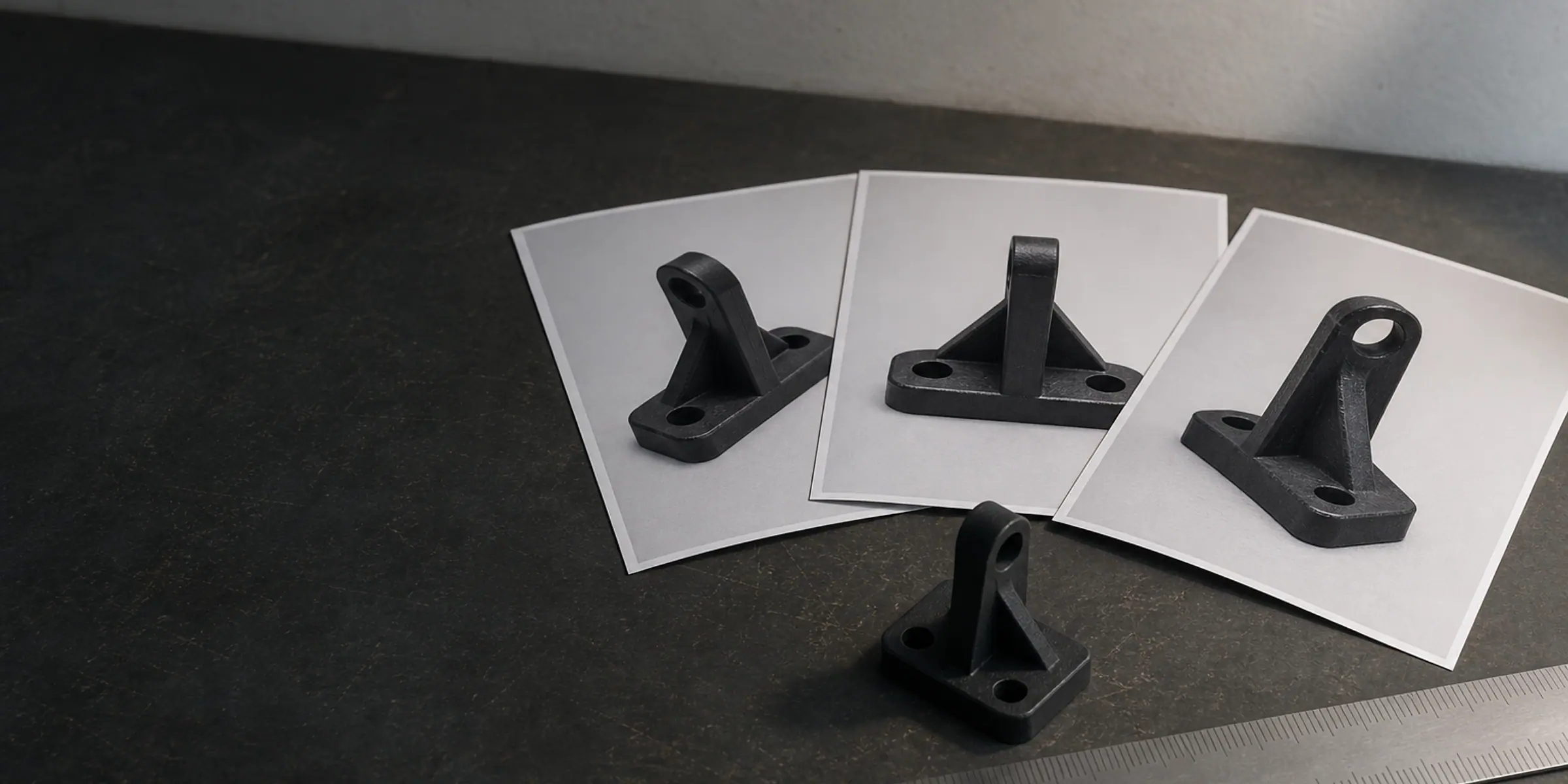
Almost nobody arrives with a finished drawing. People arrive with a broken bracket, a photograph of a discontinued fitting, a sketch on the back of an envelope, or a sentence describing something that does not exist yet. The job of the first reply is to turn that into a workable brief — not to reject it.

  • Send whatever exists, even if it is incomplete. Partial information is a normal starting point, not a problem to solve before writing.
  • We reply saying whether the geometry can be established, and list the measurements that only you can take.
  • The interfaces — the surfaces and holes where your part meets other parts — matter more than any other dimension you can send.

What you receive at the end

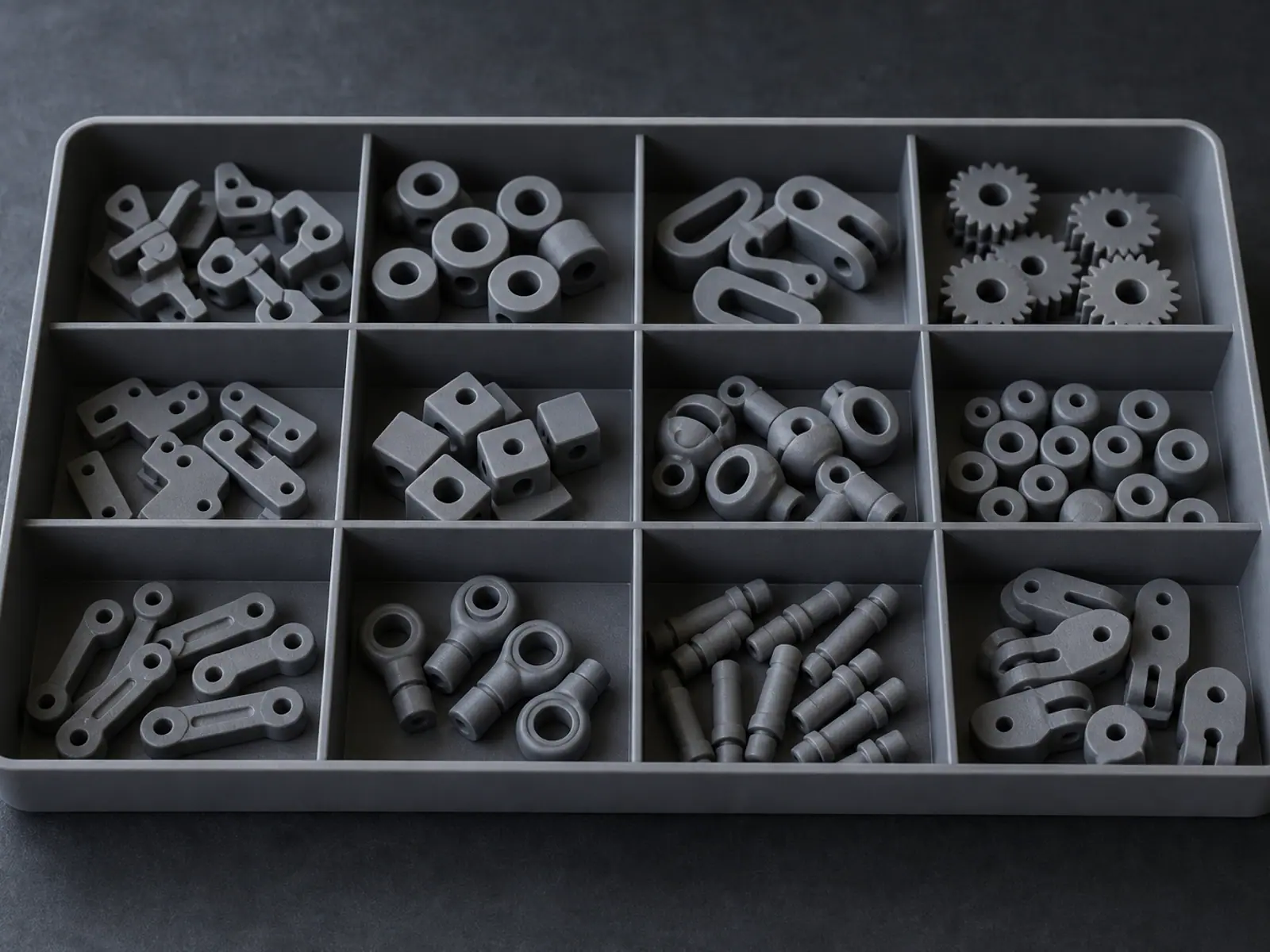
Before delivery the model is checked as a print job: wall thickness, overhangs, clearances and watertightness. A model that cannot be printed is not finished, whichever way you intend to print it.
Questions People Ask Before Sending a Part — MMFORM LAB

What we deliberately do not promise up front

The same applies to revision rounds. They are counted per project rather than promised as a number in advance, because a single flat bracket and a multi-part assembly with moving clearances do not need the same amount of iteration. What is fixed is the order of events: the model is shown to you and adjusted from your feedback before anything is produced.
Questions People Ask Before Sending a Part

Frequently asked questions

Frequently asked questions

Can I start without a CAD file?
Yes, and most projects do. A photo, a sketch with a few dimensions, a broken part in your hand, or a written description of what the part has to do are all workable starting points. You do not need a scanner, design software or an existing model. If something is missing we tell you what to measure rather than asking you to draw it yourself.
What if my photos or sketch turn out to be inaccurate?
Then we find that out before the part is made, not afterwards. Anything a photograph or a sketch cannot establish gets confirmed with you, usually as three or four specific measurements around the interfaces. That check is part of the modelling work rather than a separate task for you to organise, and it is why the first reply often asks a question rather than sending a price.
Can you model a part you have never seen in person?
Yes, and that is how most of this work is done. Seeing the part is not what decides the result; having reliable dimensions for the interfaces is. Those are the surfaces, holes and clearances where your part meets the parts around it, and they are exactly what we ask you to measure when a photograph is not enough.
How many photos and dimensions should I send?
Send more angles rather than more words. Photographs taken straight on from the front, the side and the top, with a ruler or a known object in frame for scale, resolve most questions about overall shape. Add a few dimensions across the surfaces that touch other parts, and do not worry about measuring everything — send what is easy to reach and we will ask for the rest.
How long does the modelling take?
Standard projects are typically completed in 2–8 business days. The range is wide because a single bracket and a multi-part assembly are not comparable jobs. Once the scope is agreed you get a schedule for your particular part rather than a general estimate, and any missing measurement is requested before the work begins so the clock is not spent waiting.
How is the price of a model calculated?
Modelling projects start at $100. Beyond that the price follows the part: how many separate pieces are involved, how complex the surfaces are, how much of the geometry can be read from what you send, and which deliverable formats you need. Multi-part models, assemblies, reverse engineering, complex surfaces, colour preparation, rendering, engineering consultation, prototype printing and production are quoted separately, so you can see what each addition costs before agreeing to it.
Can I get the files without having anything printed?
Yes. The model is the deliverable and printing is an optional next step, quoted separately. You can take the files to your own machine or your own supplier. There is also no reason to print before the model is right, so ask for modelling only and decide about a physical part once you can see what the geometry looks like.
Can I specify the print material and process?
Tell us what the part has to survive and we will work from there: heat, sunlight, water, chemicals, impact, repeated flexing, or the way the surface should look. The specific material and process are confirmed per project rather than promised in advance, because the right answer depends on the part rather than on a preference stated before the geometry is known. If you already have a material in mind we will say whether it suits the job.
Which file formats do you deliver?
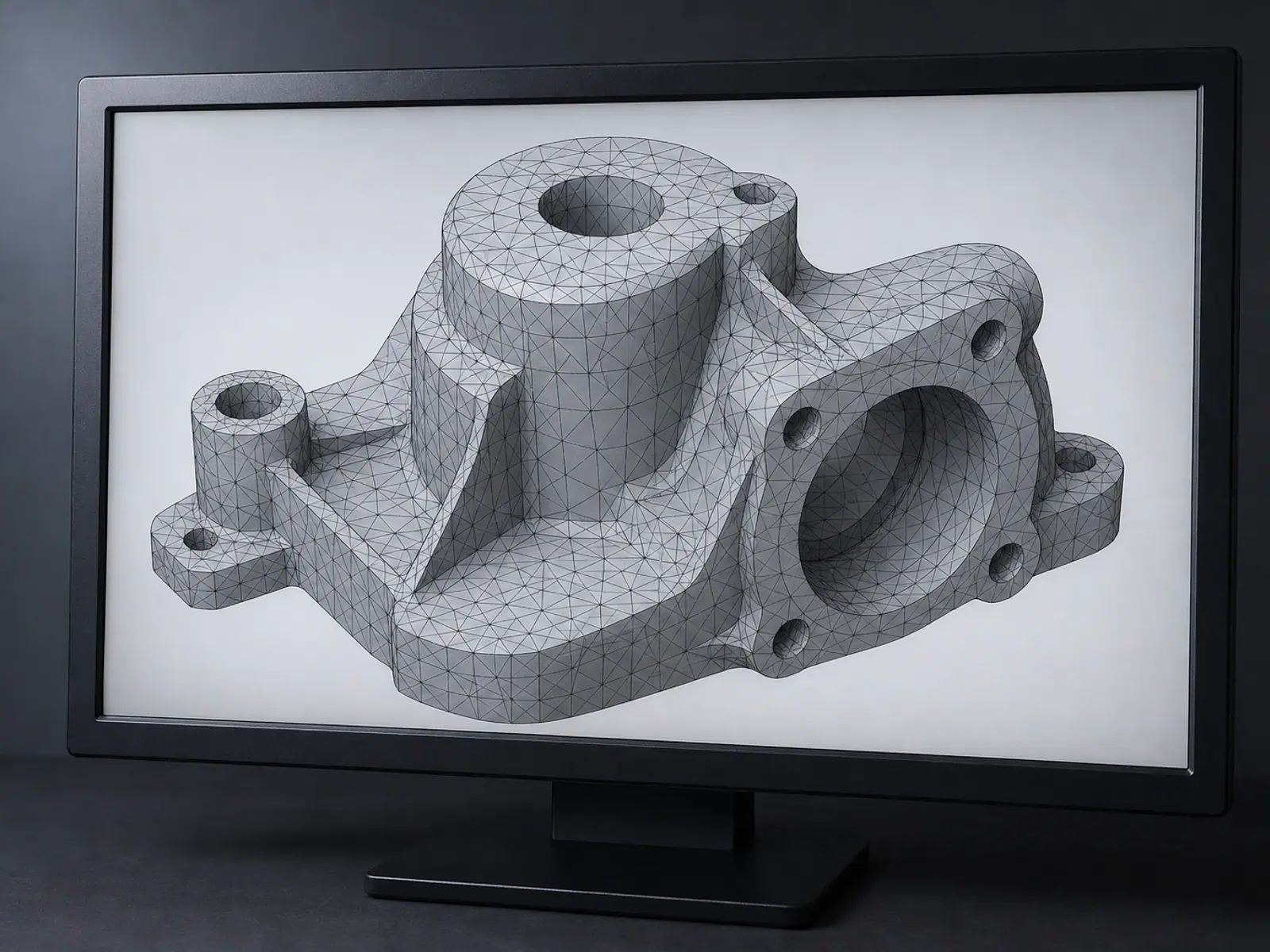
Print-ready STL is the standard deliverable. STEP accompanies it when you need a solid model you can dimension and modify in CAD software. 3MF is produced when a print profile travels with the file, and editable CAD is available when the project calls for a model you can continue to change. Tell us at the start which formats you need, because it affects both the quote and how the model is built.
How do revision rounds work?
You see the model before anything is printed, and changes come from your feedback on it rather than from guesses on our side. Rounds are counted per project instead of promised as a fixed number, because a simple bracket and a multi-part assembly do not need the same amount of iteration. What does not change is the order: model, your review, adjustment, then production once you approve it.
How is my project kept confidential?
We do not publish client work, client names, part details or photographs without written permission, and files are used only to evaluate and carry out your project. If you need a signed agreement in place before any drawing changes hands, say so in the enquiry and it will be arranged before anything is sent to us.
Can you take on an industry you have never worked in?
Usually yes. The modelling discipline does not change with the sector: establish the interfaces, fix the critical dimensions, build a watertight solid, then check that it prints and fits. What changes is the terminology and the standards a part has to meet. If we need background to judge your part properly, we will ask about it in the first reply instead of quietly assuming.
Can you model a multi-part assembly?
Yes. Multi-part models and multi-module assemblies are a normal part of the work and are quoted separately from single-part jobs, because each mating surface has to be modelled against its neighbour and the clearances have to be right for the parts to go together. Send whatever exists for each piece and we will tell you which interfaces still need measuring.
What if only fragments of a broken part are left?
Send the fragments anyway, including the pieces that look too small to matter. Fracture surfaces show how the part was loaded and where it failed, which is information no photograph of an intact part can provide. If the fragments no longer define the full shape, we will ask for measurements from the parts it has to fit against and model to those instead.

Questions People Ask Before Sending a Part

Most of the questions on this page come from people who have a part in their hand and no clear idea which service they need. That is the normal starting point, and nothing here assumes you know what a mesh, a solid model or a slicer is. The short version: you can begin without a CAD file, we will tell you what information is missing before any work starts, the model reaches you as files you can print or edit, and no project detail is published without written permission. The longer answers below cover the things people ask about most — formats, timing, revisions, confidentiality and how a price is arrived at.