Custom 3D Modeling for 3D Printing
One Discipline: Turning Physical Things Into Usable 3D Data.
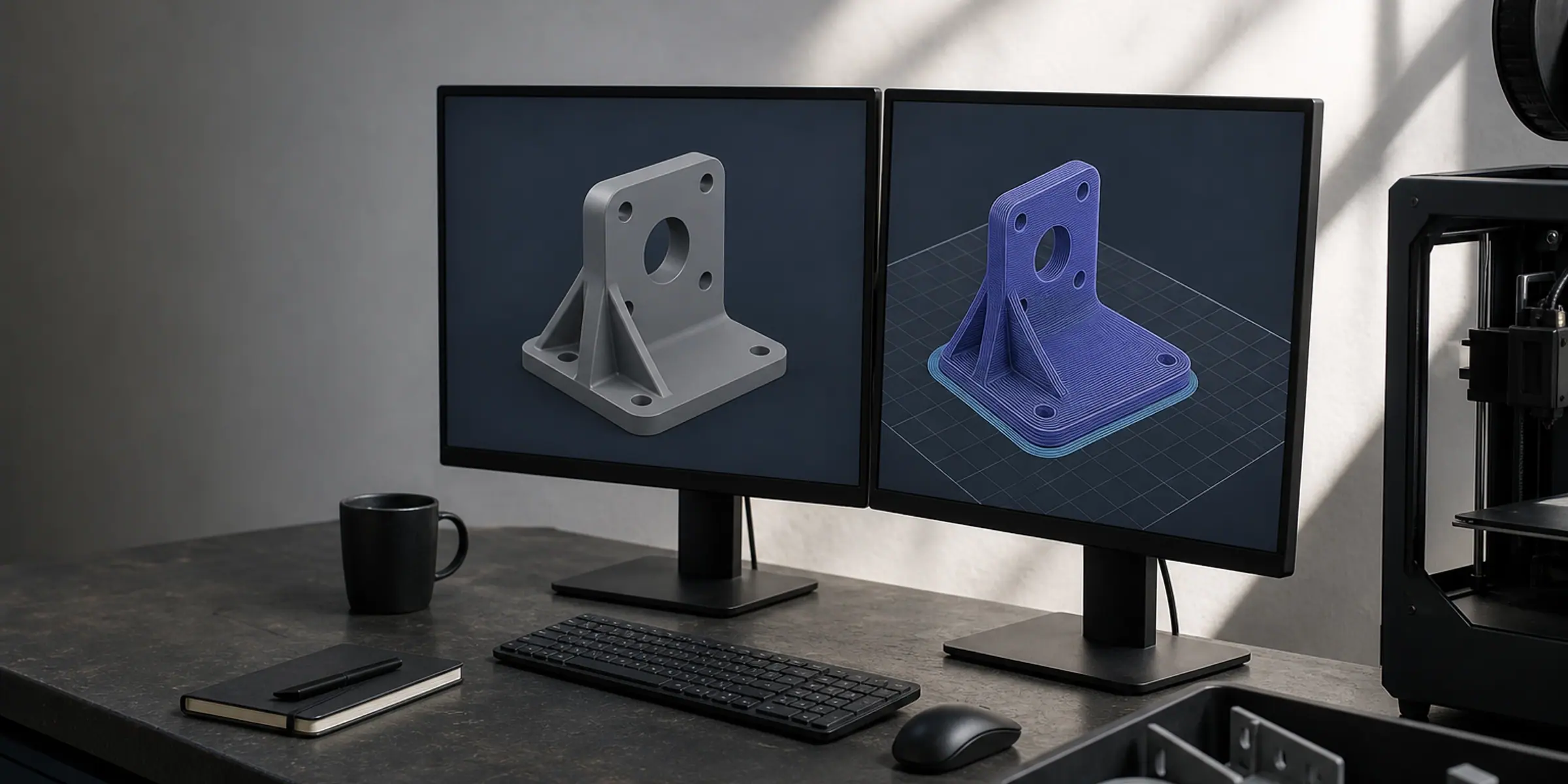
MMFORM LAB is the custom 3D modeling brand operated by Mumei. We do one thing: turn physical objects, rough drawings and half-formed ideas into 3D data that can actually be manufactured — print-ready STL, solid STEP, 3MF and editable CAD. The long-term idea behind the brand is written into every page of this site: from idea to manufactured part. In practice that means we begin from the question you can answer — what do you have? — rather than asking you to choose from a list of services whose names you have no reason to know. You do not need to know what a NURBS surface, a DFM review or a manifold mesh is. Send what you have, and we will take it from there.
What MMFORM LAB is
MMFORM LAB is the label the modelling work is done under; Mumei is the name behind it. For you that distinction changes nothing practical: there is one point of contact, one quote, and one set of files at the end of a project.
The focus is deliberately narrow. Custom 3D modeling for 3D printing — solid models built for the way parts are actually made, not display geometry that only looks correct in a viewport. That means wall thickness that suits the process, orientations that can be printed, and tolerances that let the finished part assemble.
The long-term line is from idea to manufactured part. It is a direction rather than a slogan: the same modelling discipline that rebuilds a broken bracket today is what would take a new product from a sketch to a production-ready design tomorrow.
We start from what you have, not from a service list
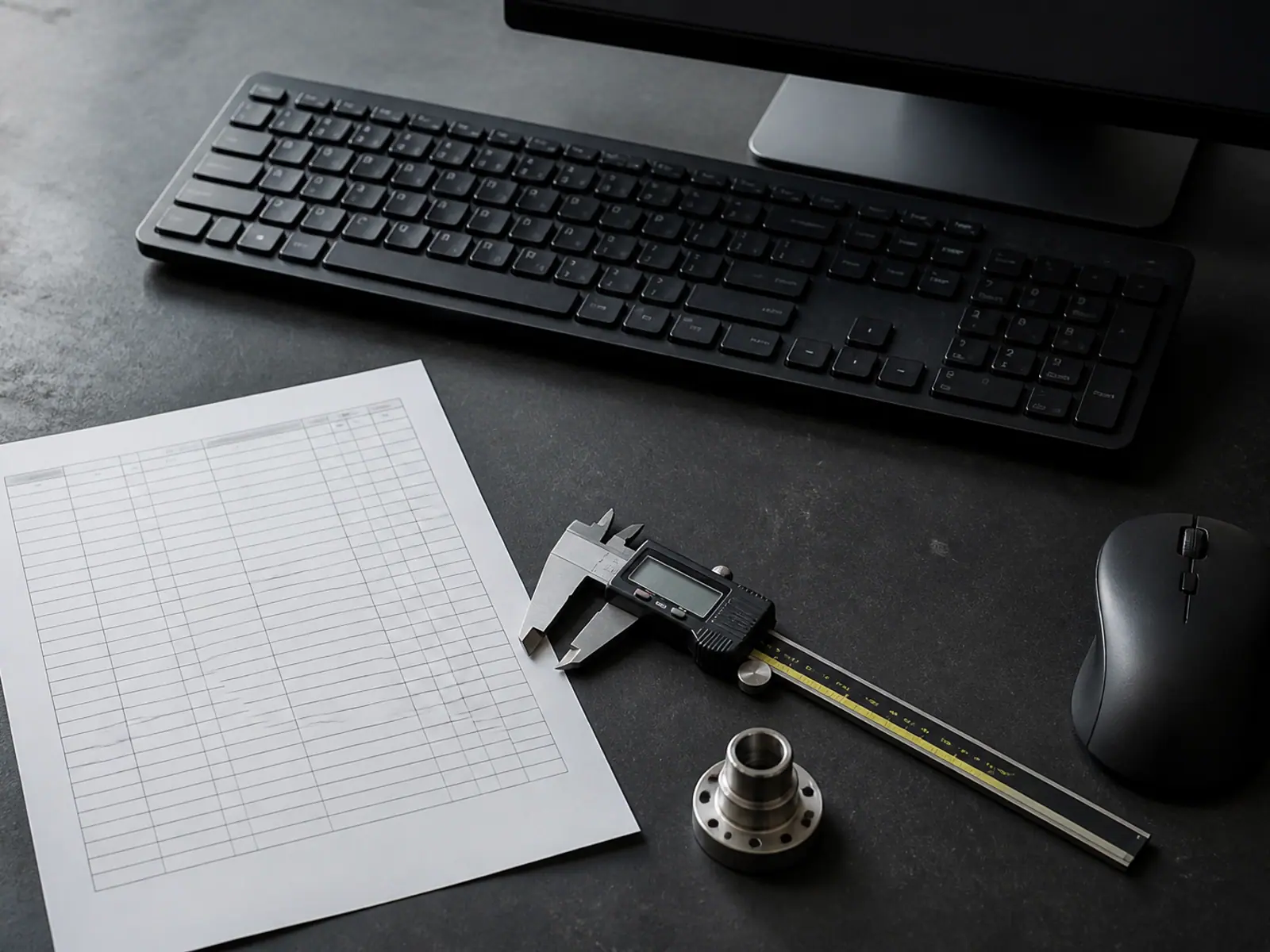
Most customers cannot name the service they need, and they should not have to. Asking someone to pick between reverse engineering and scan-to-CAD before they know what those words mean is a way of making the enquiry harder, not easier. So we ask what you have in your hand, and work forward from there.
Any of the following is a workable starting point. None of it has to be complete, tidy or technically written.
- Photos of the part from a few angles, with something in frame for scale.
- A hand sketch with a few dimensions written on it, however rough.
- The broken part itself, with the pieces kept, photographed where it broke.
- An existing STL or STEP file, even one that will not slice or cannot be edited.
- The physical part, if you can measure the surfaces it has to fit against.
- An idea, described in words — what the part has to do and the space it has to fit into.
Five promises, and what they mean in practice
These are the commitments we can actually stand behind on every project. They are short, and they are meant literally.
Promises are only useful if they say what happens when they matter, so each one is spelled out.
| Promise | What it means |
|---|---|
| Reply target: within 3 hours | Every enquiry gets an answer inside the reply target, including the ones we cannot take on — you are told either way rather than left waiting. |
| Standard projects: 2–8 business days | Once the scope is confirmed and the information is complete, standard modelling work runs in that window. Part count and complexity are what push a project past it, and we say so before starting rather than after. |
| Editable CAD available | You can ask for the model itself, not only an export. A dimensioned, editable file is available on request and is quoted as part of the project. |
| Optional prototype printing | Printing is offered, never assumed, and always appears as a separate line. Taking the files and printing locally is a first-class option. |
| Confidential project handling | Client names, part details and photographs are not published without written permission, and a confidentiality agreement can be signed before files are exchanged. |
Confidentiality is a workflow, not a promise
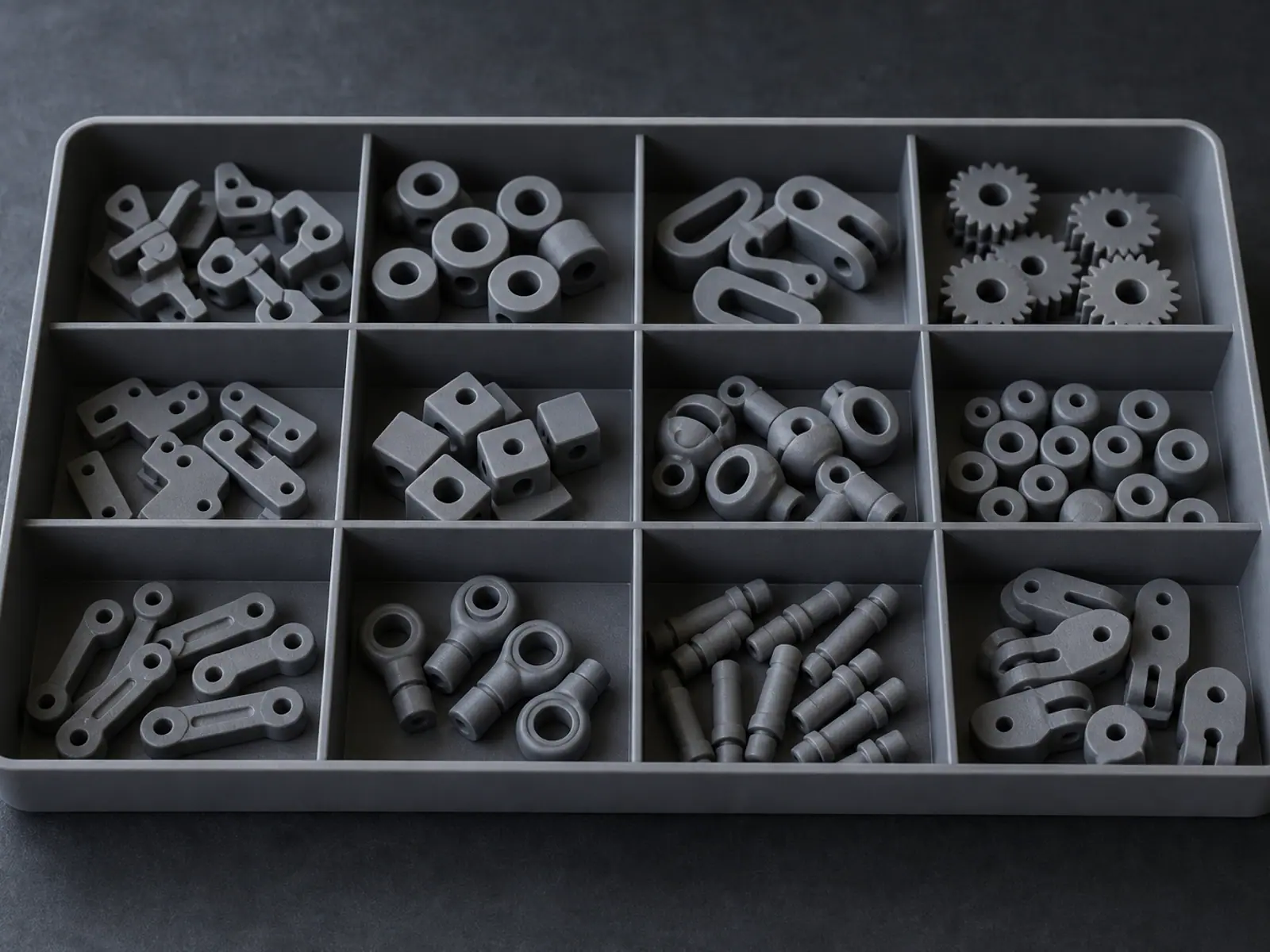
Confidentiality is built into how work is handled rather than offered as an optional extra. Files are kept for the project and are not published; photographs of your part are not used as examples unless you clear them in writing; and an agreement can be signed before anything is sent if your company requires one.
If a project is sensitive, say so in the first message. It changes what we ask for, how files are named, and whether the work is discussed outside the project at all — and stating it costs nothing.
Documentation, kept honest
We do not claim approvals, industry memberships or quality marks, because that kind of statement is specific to a project, a material and a market, and a line on a website is not evidence of any of them.
What we can do is supply what a project actually needs as it moves forward: material information for the process used, and whatever documents your own quality or purchasing process asks for. Ask at the enquiry stage and we will confirm what is available for your case before you commit.
Certifications and material documentation are provided per project, on request.
Related services
Frequently asked questions
Frequently asked questions
What is the relationship between MMFORM LAB and Mumei?
How long has MMFORM LAB been running?
Where are you based, and do you work with customers remotely?
Do you only work on projects that end in 3D printing?
What do you need from me to start?
Will you sign a confidentiality agreement?
One Discipline: Turning Physical Things Into Usable 3D Data.
MMFORM LAB is the custom 3D modeling brand operated by Mumei. We do one thing: turn physical objects, rough drawings and half-formed ideas into 3D data that can actually be manufactured — print-ready STL, solid STEP, 3MF and editable CAD. The long-term idea behind the brand is written into every page of this site: from idea to manufactured part. In practice that means we begin from the question you can answer — what do you have? — rather than asking you to choose from a list of services whose names you have no reason to know. You do not need to know what a NURBS surface, a DFM review or a manifold mesh is. Send what you have, and we will take it from there.